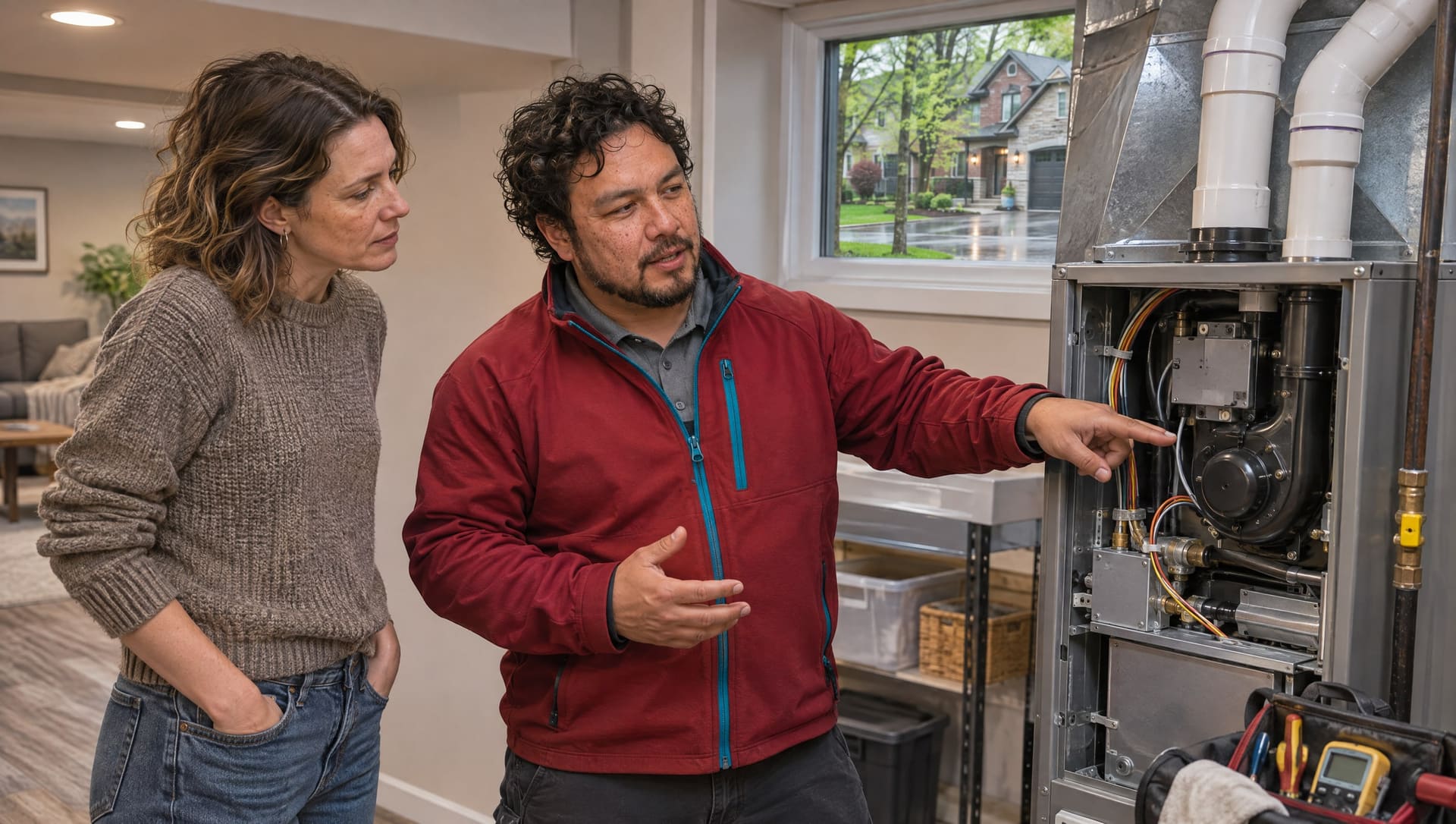
The short answer is no. In Ontario, a homeowner can't install their own gas or propane furnace. You can still look after a lot of the system yourself, though. If you know where the line sits, it's easier to plan a replacement, ask the right questions and spot a shortcut before it costs you.
Can you install your own furnace in Ontario?
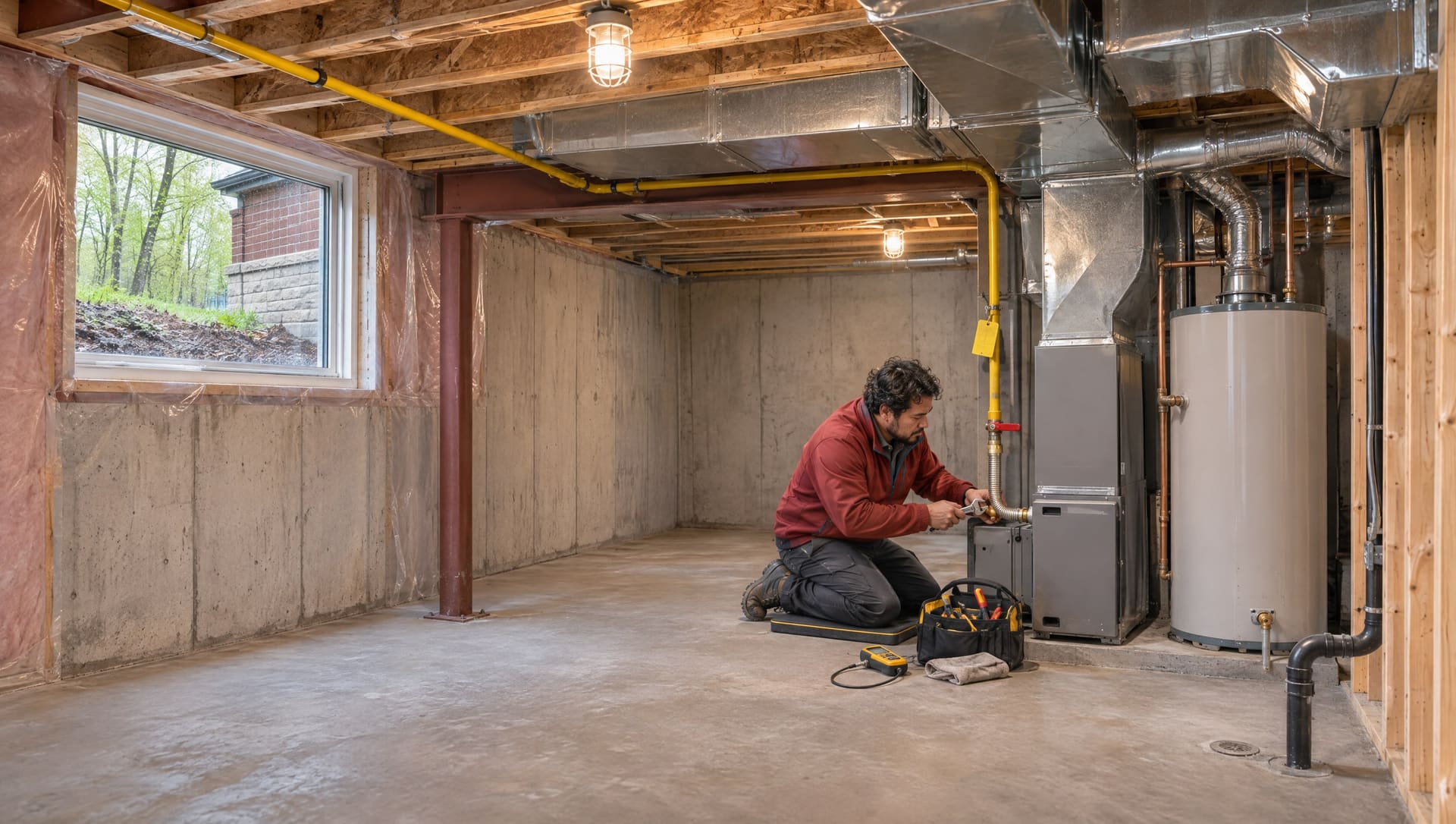
Not if it burns gas or propane. The work has to be done by TSSA-certified gas technicians, because Ontario Regulation 212/01 (Gaseous Fuels), under the Technical Standards and Safety Act, requires it. That rule says gas appliances must be installed, serviced and repaired by a contractor registered with the Technical Standards and Safety Authority, using gas technicians who hold a G1, G2 or G3 certificate.
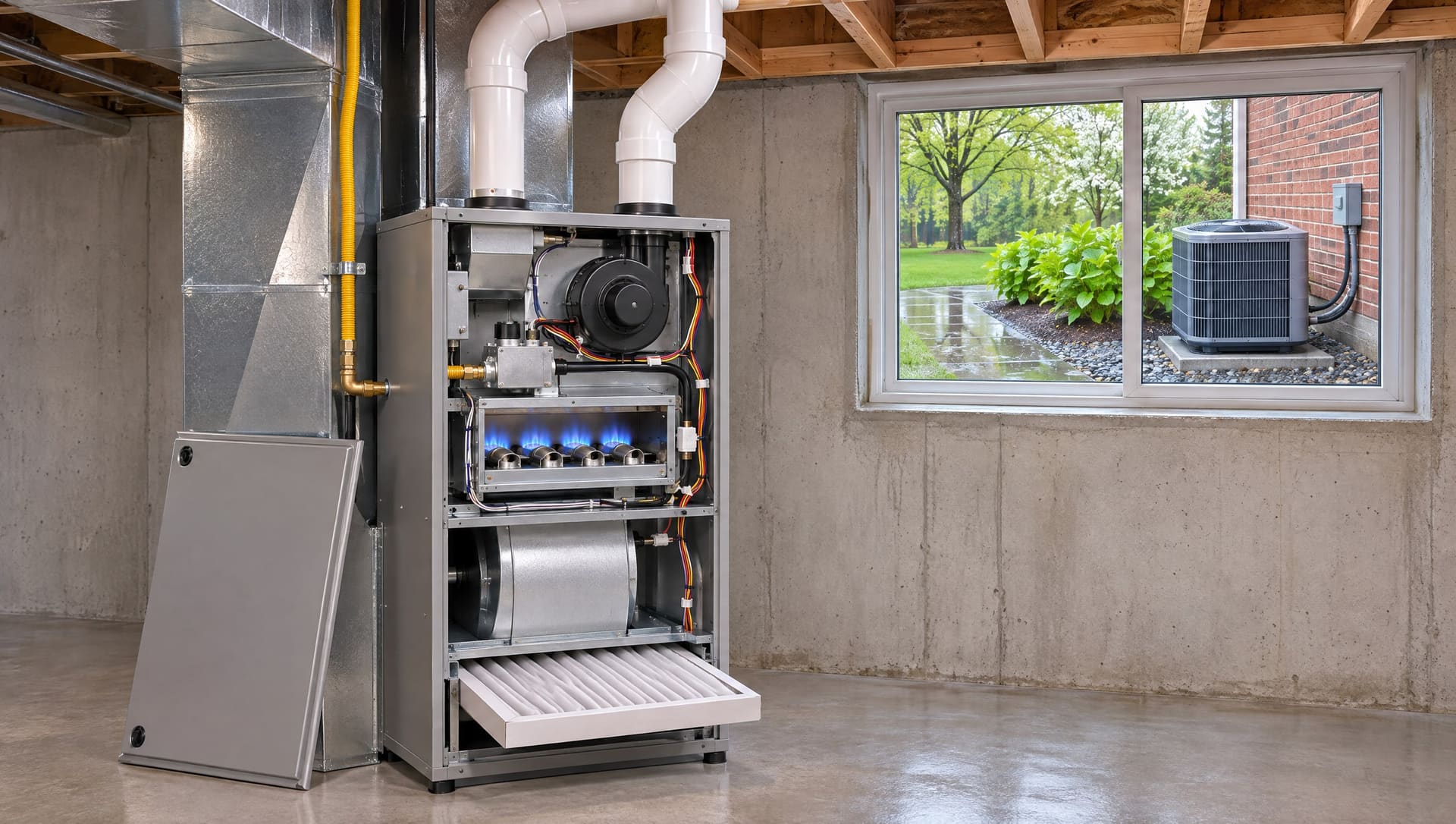
The installation also has to meet the CSA B149.1 Natural Gas and Propane Installation Code, which Ontario adopts under the same regulation. That code covers the parts of a furnace job that are easy to get wrong and hard to see afterwards:
- the gas piping and connection
- venting and where the pipes leave the house
- clearances around the furnace
- the combustion air it needs
The rule exists because a furnace burns fuel inside your home. A loose gas fitting or a badly pitched vent can work for weeks and then leak gas or let exhaust back into the house. There's a practical side too. Most manufacturers' warranties depend on a proper installation, so read the warranty terms before you count on saving the labour.
What can you safely do yourself?
Quite a lot of the day-to-day care is yours, and it heads off many no-heat calls:
- Change the filter on schedule. A clogged filter is one of the most common reasons a furnace overheats and shuts itself off.
- Keep the side-wall vents clear. Newer high-efficiency furnaces take in air and send out exhaust through two plastic pipes in the outside wall. The Barrie WPCC climate station, the nearest to Innisfil, records an average of 223.0 cm of snow a year (1981 to 2010 normals). A drift over those pipes will stop the furnace. Clear them by hand, gently.
- Check the simple things first: the thermostat batteries and settings, the furnace power switch (it often looks like a light switch near the unit) and the breaker.
- Look at the condensate drain. If the small tube from the furnace is kinked or water is pooling, note it, but don't take the drain apart.
- Keep the area around the furnace clear. Don't store paint, solvents or cardboard against it.
- Test your carbon monoxide alarms. The Ontario Fire Code requires a working carbon monoxide alarm next to each sleeping area in any home with a fuel-burning appliance, a fireplace or an attached garage.
Leave the gas valve, gas piping, burners, venting, heat exchanger and control wiring to a gas technician. The same goes for the refrigerant side of an air conditioner or heat pump, because refrigeration and air conditioning work is a compulsory trade in Ontario.
What should you do if you smell gas?
Leave the house first, with everyone inside. Don't switch lights or appliances on or off on your way out. Once you're outside, call 911 first, then Enbridge Gas's emergency line. Enbridge Gas is the natural gas distributor for the whole Town of Innisfil, and it handles leaks. It doesn't sell or repair furnaces, water heaters or stoves, so once the gas side is safe, a heating contractor does the appliance repair.
Do you need a permit to replace a furnace in Innisfil?
The Town of Innisfil has a list of projects that need a building permit. It includes adding a solid-fuel appliance, such as a woodstove or wood fireplace, and adding or moving plumbing. Furnace replacement isn't on that list. If your project goes beyond a straight swap, for example new plumbing for a combination system or a wood-burning insert, check with the Town's building department, which asks residents who are unsure to do just that. The gas rules above apply either way.
Why is an Innisfil house harder to fit than it looks?
Innisfil's housing went up in three waves, and each one brings its own installation problems.
- **The old hamlets.** Houses in Big Bay Point, Stroud, Belle Ewart and Churchill built before 1945 were made for wood or coal stoves or a gravity furnace. Many were later converted to oil and then gas. The ductwork was often added afterwards and is frequently too small for a modern furnace or central air. An old masonry chimney may need a liner, especially if a gas water heater will be left venting into it on its own after the furnace moves to a side-wall vent.
- **Post-war cottage streets and Sandy Cove.** In parts of Alcona, seasonal places became year-round houses. Sandy Cove has modular and single detached homes. These houses often have electric baseboard heat or an oil furnace, no ductwork and a crawl space instead of a basement. Adding a gas furnace means running new ducts, so a ductless system or a heat pump is often the better fit.
- **Subdivisions from the 1990s onward.** Newer homes in Alcona, Lefroy, Belle Ewart and Friday Harbour mostly have condensing gas furnaces vented through the side wall. On many streets, the furnaces the builder installed are all reaching the end of their lives together. The usual problems are vents placed too low for the snow and condensate drains that fail.
The climate makes mistakes more costly. The Barrie WPCC station records 4,253.7 heating degree days and 12.2 days a year colder than −20 °C (1981 to 2010 normals). A furnace that's poorly sized, vented or drained will show it in January.
Is it cheaper to replace the AC and furnace together?
Often, though not always. It depends on how old the air conditioner is and how well it works.
In most forced-air systems, the air conditioner's indoor coil sits on top of the furnace. If you replace only the furnace, the installer usually has to disconnect the coil, move it and refit it to the new cabinet. Do the same work again a few years later for a new air conditioner and you've paid for much of it twice. Replacing both in one job means:
- one visit and one set of shared work
- a furnace blower and indoor coil chosen to work together
- one disruption to the house, not two
Replacing both doesn't make sense when the air conditioner is fairly young and still cools well. Innisfil's cooling season is short but real. At the Barrie WPCC station, the July daily high averages 26.3 °C and about 10.4 days a year go above 30 °C (1981 to 2010 normals). A sound air conditioner that only works through those weeks can keep going for years. In that case, ask the installer whether the existing coil will fit the new furnace and match its blower.
The clearest way to decide is to ask for two written prices: one for the furnace alone and one for the furnace with a new air conditioner. Then you can weigh the difference against the age of the unit you have. On the cooling side, the work is done by 313A refrigeration and air conditioning mechanics, because Ontario requires that trade certificate for air conditioning work.
Before replacing anything, also check your water heater. Many are rented from separate companies. Find out whether yours is a rental before you replace it, because you may be under contract and could face cancellation fees.
What should you ask before you agree to an installation?
- Can I see the technician's gas certificate?
- How was the new furnace sized for this house and its ductwork?
- Where will the intake and exhaust pipes leave the house, and how high above the usual snow line?
- Will the chimney need a liner for anything still venting into it?
- Where will the condensate drain run, and what protects it from freezing?
- Will the manufacturer's warranty be registered, and is it in my name?
- Can I have the full price in writing before work starts?
If you're planning a new furnace, the furnace installation and replacement page explains how Innisfil Heating Cooling handles it.